
Tile is one of the most durable and low-maintenance surfaces used in modern homes. However, without proper care, even the best tile installations can lose their appearance over time. Dirt buildup, moisture, and improper cleaning methods can lead to stained grout, dull surfaces, and long-term damage.
This guide explains how to properly clean tile and grout, when sealing is necessary, and how to protect different materials such as porcelain, ceramic, and natural stone.
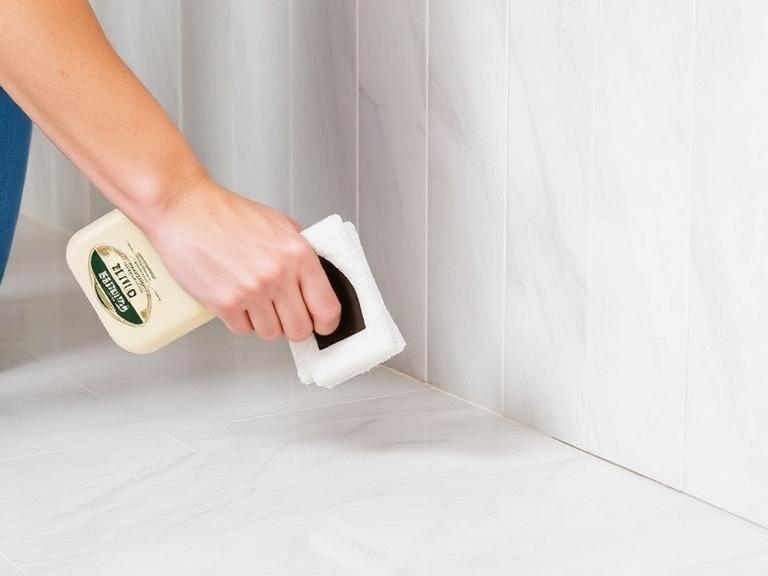
Do You Need to Seal Tile and Grout?
Not all tile surfaces require sealing, but grout almost always does.
Porcelain and Ceramic Tile
Porcelain and ceramic tiles are generally non-porous and resistant to water. Because of this, they typically do not require sealing.
However, the grout between tiles is porous and absorbs moisture and dirt easily. Sealing grout helps prevent staining and extends its lifespan.
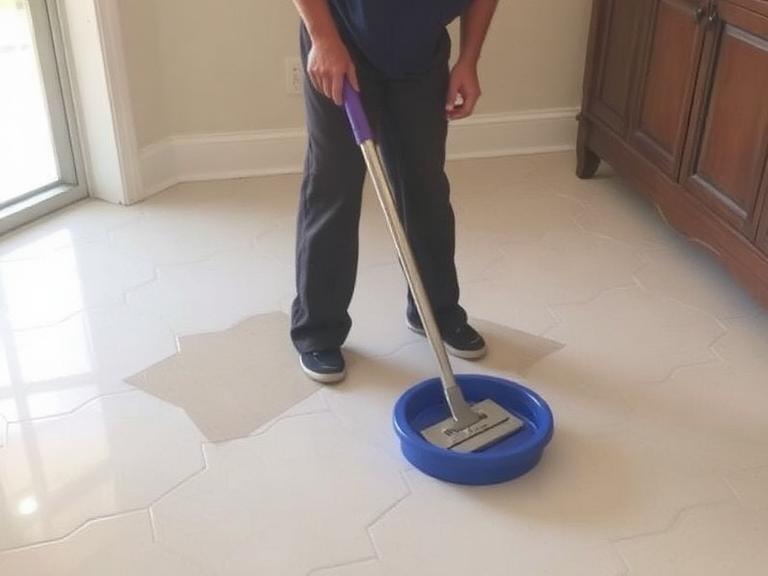
Marble and Natural Stone Tile
Natural stone materials such as marble, travertine, and slate are porous and highly absorbent.
Without sealing, they can:
- absorb liquids quickly
- develop stains and discoloration
- become damaged over time
Sealing is essential to protect these surfaces and preserve their natural appearance.
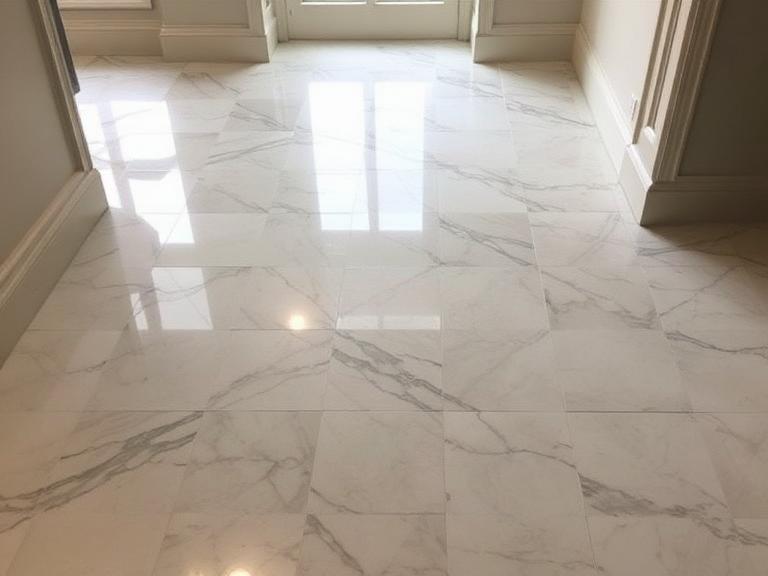
Unglazed Tile
Unglazed tiles do not have a protective coating, making them more vulnerable to staining and moisture absorption. These tiles often benefit from sealing, especially in kitchens and bathrooms.
Tile vs Grout vs Stone — Maintenance Comparison
| Tile Type | Sealer Needed? | How Often to Seal? | Best Type of Sealer | Porosity Level | Maintenance Level |
|---|---|---|---|---|---|
| Porcelain | Sometimes (for polished or textured tile) | Every 3–5 years | Penetrating porcelain sealer | Low | Easy |
| Ceramic | No | No need | Not required | Low | Easy |
| Marble | Yes | Every 6–12 months | Penetrating natural stone sealer | High | High |
| Slate/Travertine/Stacked Stone | Yes | Every 6–12 months | Breathable natural stone sealer | High | High |
| Grout | Yes | Every 6–12 months | Penetrating grout sealer | High | High |
| Outdoor Tile & Grout | Yes | Every 1–2 years | Weather-resistant tile & grout sealer | Medium-High | High |
👉 Key takeaway: grout and natural stone require the most attention and protection.
How to Clean Tile and Grout Properly
Routine cleaning prevents buildup and helps maintain the appearance of your tile.
Daily and Weekly Cleaning
- Sweep or vacuum regularly
- Use a pH-neutral cleaner
- Avoid excessive water
Consistent light cleaning prevents dirt from settling into grout lines.
Deep Cleaning Tile and Grout
Over time, grime accumulates in grout and textured surfaces.
Steps:
- Apply a suitable tile cleaner
- Let it sit for several minutes
- Scrub gently with a soft brush
- Rinse thoroughly
Avoid harsh scrubbing tools, which can damage grout.
Choosing the Right Cleaner
Different surfaces require different cleaning products:
- Natural stone → pH-neutral only
- Ceramic/porcelain → mild cleaners
- Grout → specialized grout cleaners
Using incorrect products can cause permanent damage.
How to Seal Grout (Step-by-Step Guide)
Sealing grout protects it from moisture and stains.
Steps:
- Clean tile and grout thoroughly
- Let the surface dry completely
- Apply sealer evenly along grout lines
- Allow it to absorb (15–30 minutes)
- Wipe off excess
- Let cure for up to 24 hours
Proper sealing significantly extends grout lifespan.
Types of Tile Sealers
Understanding sealers helps you choose the right protection.
Penetrating Sealers
- Absorb into the material
- Do not change appearance
- Allow the surface to breathe
Best for grout and natural stone.
Surface (Topical) Sealers
- Form a protective layer on top
- May add shine
- Can wear off over time
Used less frequently for high-traffic areas.
How Often Should You Seal Grout?
- Bathrooms/showers: every 6 months
- Kitchens: once per year
- High-traffic areas: every 6–12 months
- Low-use areas: every 1–2 years
Water absorption is the easiest way to test.
Common Mistakes to Avoid
Avoid these mistakes:
- Using vinegar on natural stone
- Skipping grout sealing
- Using abrasive brushes
- Letting water sit on tile
These can lead to irreversible damage.
Tile Applications in Kitchens and Bathrooms
Tile is widely used in areas exposed to moisture and daily wear.
In kitchens, backsplashes protect walls from grease and water while adding visual appeal. Proper maintenance ensures they remain clean and durable.
If you’re interested in design ideas and installation approaches, you can explore more here.
Frequently Asked Questions
Do you need to seal porcelain tile?
No, porcelain tile usually does not require sealing. However, grout should always be sealed.
What is the best way to clean grout?
Use a pH-neutral cleaner and a soft brush. Avoid harsh chemicals like bleach or acids.
How long does grout sealer last?
Most grout sealers last between 6 months and 2 years, depending on usage.
Can you seal grout yourself?
Yes, grout sealing is a straightforward DIY process if done carefully and correctly.
Final Thoughts
Proper tile and grout care is essential for maintaining both appearance and durability.
Key takeaways:
- grout should always be sealed
- natural stone requires extra care
- regular cleaning prevents buildup
- proper sealing extends lifespan
With the right approach, tile surfaces can remain clean, functional, and visually appealing for many years.
Last Updated on April 7, 2026