
When building or remodeling a shower, the shower pan is one of the most important components of the entire system. It sits beneath the tile and directs water toward the drain while protecting the subfloor from moisture damage.
Choosing the wrong shower pan can lead to leaks, mold, structural damage, and expensive repairs. That’s why many homeowners and contractors compare two popular options: traditional concrete (mortar) shower pans and Kerdi shower pans.
Among the most popular options are concrete shower pans and Kerdi shower pans, both of which offer distinct benefits and considerations. In this post, Residential Remodeling Pro compares these two options to help you determine which is the best choice for your project.
By the end, you’ll have a clear idea of which shower pan is the best choice for your remodel.
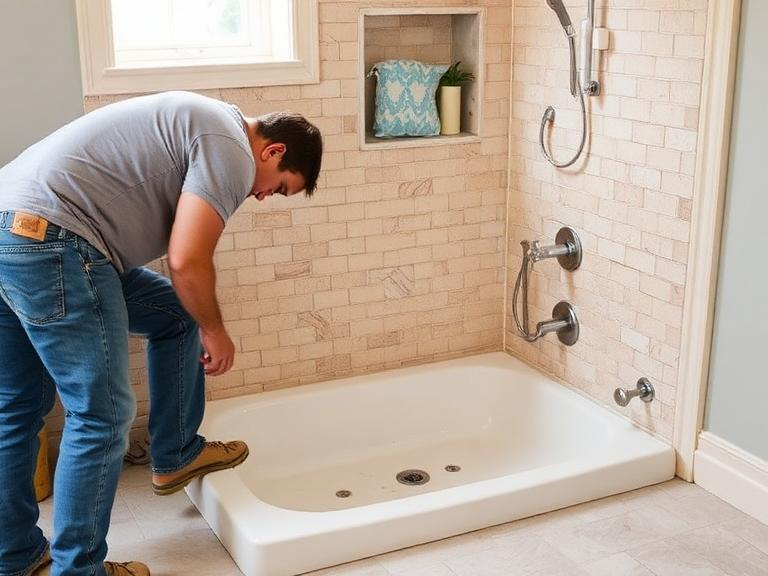
What Is a Concrete Shower Pan?
A concrete shower pan, often called a mortar shower pan, is a custom-built shower base made from a mix of sand, cement, and water. It is typically reinforced with a waterproof membrane and a sloped surface to ensure proper drainage. This type of shower pan is ideal for those looking for a highly durable, customizable solution.
Unlike prefabricated systems, a mortar shower pan is custom-built on site, allowing it to fit virtually any shower size or layout.
How a Traditional Mortar Shower Pan Is Built
A proper concrete shower pan typically consists of several layers that work together to ensure proper drainage and waterproofing:
- Subfloor preparation – the base structure of the bathroom floor.
- Pre-slope mortar layer – a sloped layer (usually ¼ inch per foot) directing water toward the drain.
- Waterproof liner – usually PVC or CPE liner installed over the pre-slope.
- Metal lath reinforcement – helps strengthen the mortar bed.
- Final mortar bed – a thicker cement layer placed over the liner.
- Tile and grout – the finished shower surface.
This layered system is designed to direct water safely into the drain while protecting the surrounding structure.

Advantages of Concrete Shower Pans
Concrete shower pans remain popular because of their flexibility and durability.
- Unlimited customization – They can be built to fit any shower size or shape, including curved or oversized walk-in showers.
- Excellent durability – When properly installed, mortar shower pans can last 30–50 years or more.
- Ideal for custom tile showers – Many high-end or luxury bathroom projects use mortar pans because they support complex tile designs and custom layouts.
- Strong structural support – The thick mortar base creates a solid, stable foundation for heavy tile and stone.
Disadvantages of Concrete Shower Pans
Despite their benefits, traditional shower pans have some drawbacks.
- Complex installation – Building a proper mortar pan requires experience and precision.
- Longer installation time – The mortar layers must cure before tile installation, which can extend the project timeline.
- Higher labor costs – Although materials are inexpensive, labor costs can be higher because of the work involved.
- Heavier structure – Concrete pans add significant weight to the floor structure.
What Is a Kerdi Shower Pan?
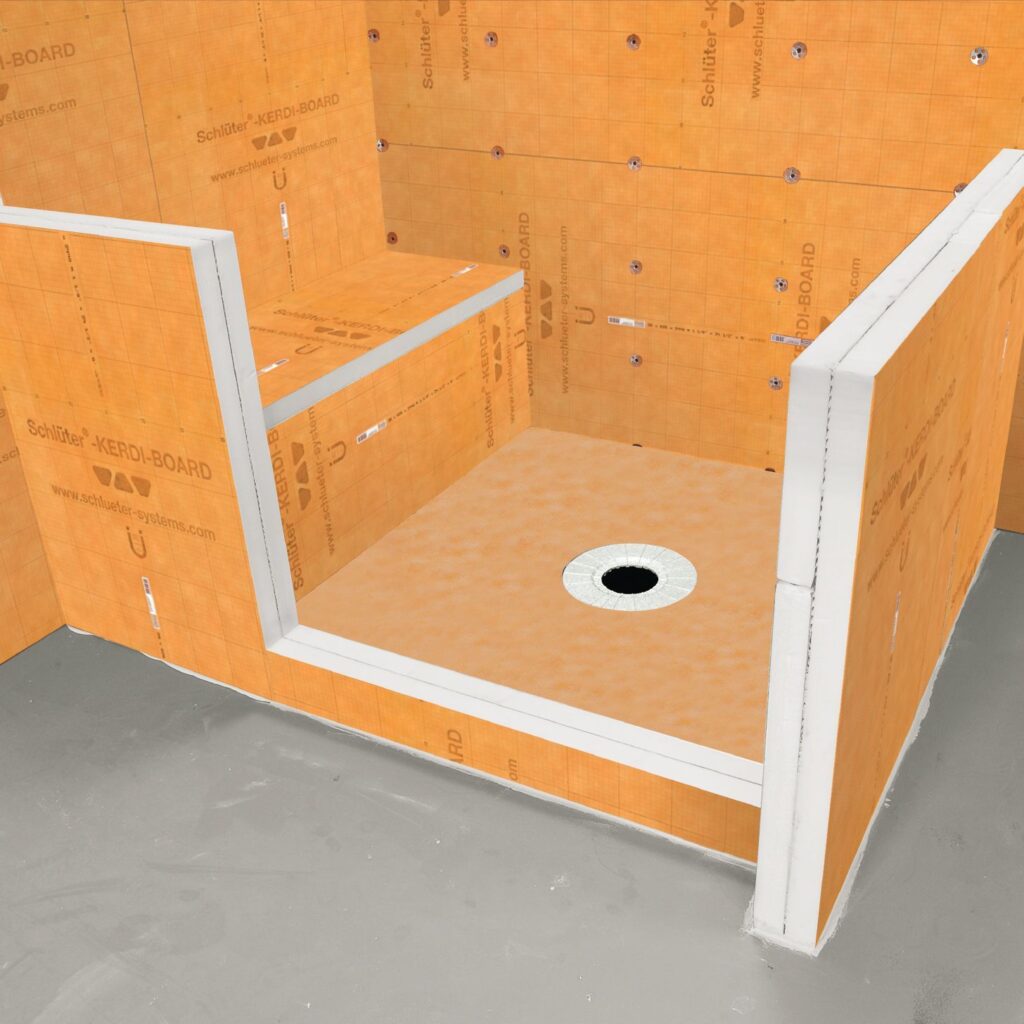
A Kerdi shower pan, manufactured by Schluter Systems, is a prefabricated, lightweight, and waterproof shower base made from expanded polystyrene (EPS). It comes with a built-in slope to ensure proper drainage and is designed to integrate seamlessly with the Kerdi waterproofing membrane.
Instead of building a mortar base from scratch, the system uses a prefabricated foam tray that is already sloped toward the drain. The tray is covered with a waterproof membrane that creates a sealed shower system ready for tile installation.
What the Kerdi Shower System Includes
A typical Kerdi shower installation includes several integrated components:
- Prefabricated foam shower tray
- Kerdi waterproof membrane
- Kerdi drain system
- Kerdi band sealing strips
- Thinset mortar for installation
Together, these parts create a fully waterproof shower assembly.
Advantages of Kerdi Shower Pans
Kerdi systems have become increasingly popular because they simplify shower installation.
- Faster installation – Since the tray is pre-sloped, installers don’t need to build a mortar base from scratch.
- Lightweight construction – Foam trays are significantly lighter than concrete mortar beds.
- Consistent slope – Factory-made trays ensure proper drainage without requiring advanced masonry skills.
- DIY-friendly – Many homeowners and DIY renovators choose Kerdi systems because they are easier to install.
Disadvantages of Kerdi Shower Pans
However, Kerdi pans are not perfect for every project.
- Limited sizes – Prefabricated trays come in standard dimensions, which may not fit custom shower layouts.
- Higher material costs – The system components are typically more expensive than traditional mortar materials.
- System compatibility requirements – For best results, the entire Schluter system should be used together.
Concrete Shower Pan vs Kerdi Shower Pan (Quick Comparison)
| Feature | Concrete Shower Pan | Kerdi Shower Pan |
|---|---|---|
| Installation difficulty | High | Moderate |
| Custom sizes | Unlimited | Limited |
| Weight | Heavy | Lightweight |
| Installation speed | Slower | Faster |
| Material cost | Lower | Higher |
| Durability | Very high | High |
| Best for | Custom showers | Remodels and DIY pr |
Both systems work well when installed properly, but they serve different types of bathroom projects.
Installation Process Comparison
Understanding how each system is installed can help determine which one is more practical for your project.
Installing a Concrete Shower Pan
The process typically involves several steps:
- Prepare and reinforce the subfloor.
- Install a pre-slope mortar layer directing water toward the drain.
- Place the waterproof liner and seal it around the drain.
- Install metal lath reinforcement.
- Apply the final mortar bed.
- Allow the mortar to cure.
- Install tile and grout.
Because of these steps, installation often requires an experienced tile contractor.
Installing a Kerdi Shower Pan
The Kerdi installation process is simpler and faster.
- Prepare the subfloor.
- Apply thinset mortar.
- Install the foam shower tray.
- Attach the Kerdi drain.
- Cover the tray and walls with the Kerdi membrane.
- Seal seams using Kerdi band.
- Install tile directly over the membrane.
This streamlined process is one reason Kerdi systems are popular in modern bathroom remodels.
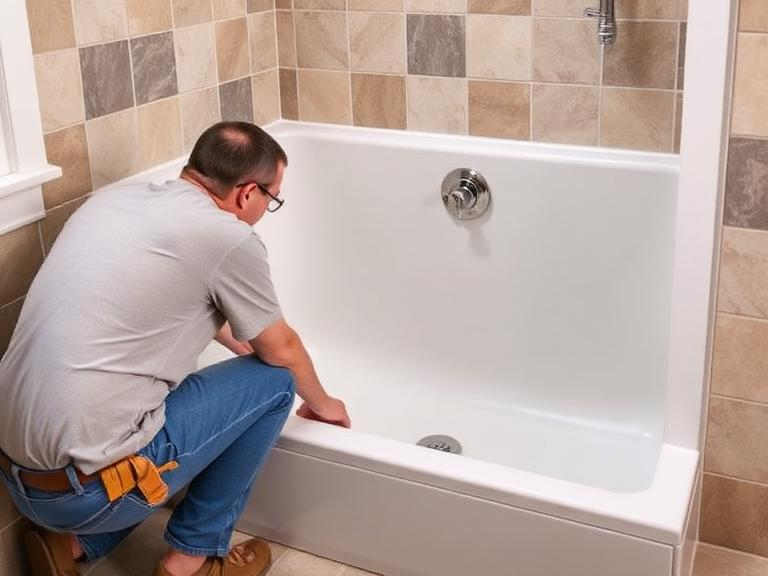
Tiling After Installing the Shower Pan
Once the shower pan is properly installed and waterproofed, the next step is applying tile to the shower floor and surrounding bathroom surfaces. Proper tile layout, spacing, and mortar application are essential for durability and water resistance.
If you’re remodeling the entire bathroom, you may also want to review this detailed guide on how to tile a bathroom floor, which explains the tools, materials, and installation steps homeowners and contractors commonly follow.
Cost Comparison
Costs can vary depending on location, contractor rates, and shower size.
However, typical price ranges look like this:
| Cost Factor | Concrete Shower Pan | Kerdi Shower Pan |
|---|---|---|
| Materials | $150 – $400 | $300 – $800 |
| Labor | $800 – $2,000 | $600 – $1,200 |
| Total installed cost | $950 – $2,400 | $900 – $2,000 |
Concrete pans often have cheaper materials, but Kerdi systems may save money on labor due to faster installation.
Durability and Lifespan
Both shower systems can last many years when installed correctly.
Concrete shower pans
- Lifespan: 30–50 years
- Extremely strong base
- Excellent for heavy tile or stone
Kerdi shower pans
- Lifespan: 20–30 years
- Fully waterproof membrane system
- Resistant to mold and moisture damage
In general, mortar pans may have a slightly longer lifespan, but Kerdi systems offer more modern waterproofing technology.
Which Shower Pan Is Better?
The best choice depends on the type of bathroom project you’re planning.
Concrete Shower Pans Are Better For
- custom-size showers
- large walk-in showers
- curbless designs
- luxury tile installations
- homeowners prioritizing long-term durability
Kerdi Shower Pans Are Better For
- bathroom remodels
- faster installation projects
- DIY renovations
- standard shower sizes
- projects where weight is a concern
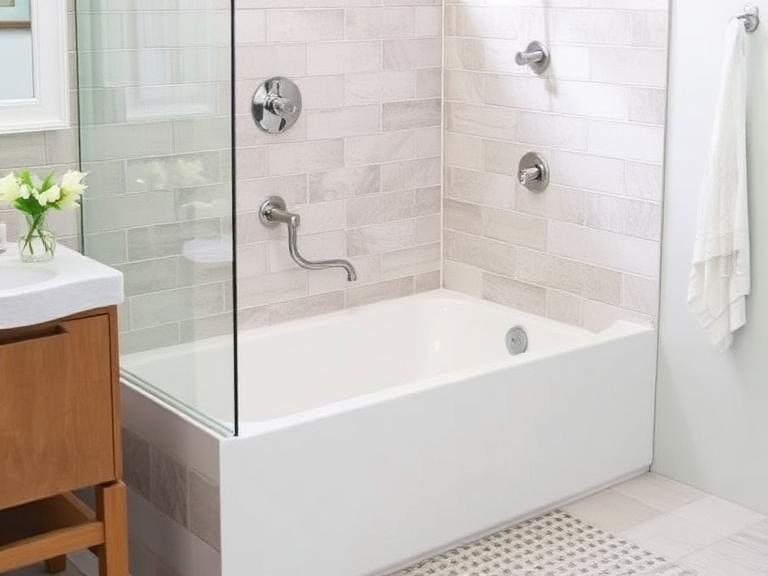
Common Mistakes When Choosing a Shower Pan
Homeowners sometimes run into problems when selecting or installing a shower pan.
Common mistakes include:
- ignoring proper slope requirements
- poor waterproofing installation
- choosing the wrong size shower tray
- mixing incompatible waterproofing systems
- hiring inexperienced installers
Proper planning and professional installation can help avoid leaks and costly repairs later.
FAQs
Is a Kerdi shower pan better than a mortar shower pan?
Not necessarily. Kerdi pans are easier and faster to install, while mortar pans offer more customization and durability.
Can you tile directly over a Kerdi shower pan?
Yes. Kerdi pans are designed to be tiled directly using thinset mortar.
How long does a concrete shower pan last?
A properly installed mortar shower pan can last 30–50 years or more.
Are Kerdi shower pans waterproof?
Yes. The Kerdi membrane creates a fully waterproof barrier beneath the tile.
Can Kerdi shower pans be cut to size?
Yes, but only within limits. Cutting too much can affect the slope and drainage performance.
Final Verdict
Both concrete and Kerdi shower pans are reliable solutions for modern tile showers.
A traditional concrete shower pan is often the best choice for homeowners who want maximum customization, strength, and long-term durability.
On the other hand, a Kerdi shower pan offers faster installation, modern waterproofing technology, and a more DIY-friendly process.
Ultimately, the right option depends on your budget, shower design, and installation preferences. Consulting an experienced bathroom remodeling contractor can help ensure you choose the best system for your project.
Last Updated on March 12, 2026