
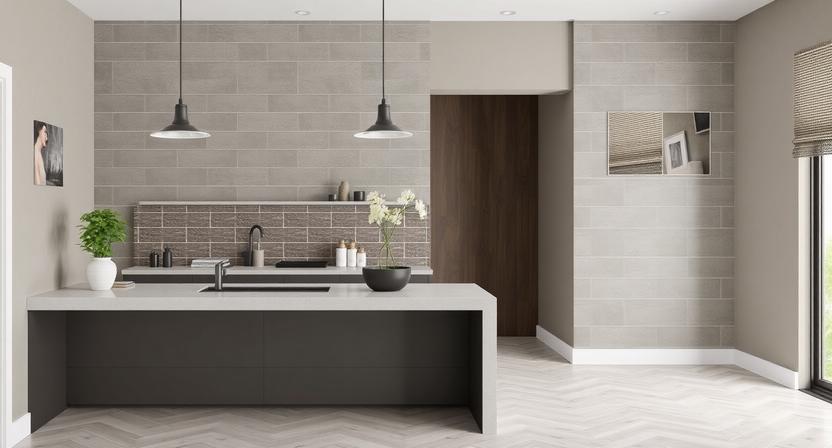
Choosing the right tile for your home can feel overwhelming. With so many materials, styles, and finishes available, many homeowners end up making decisions based only on appearance — which often leads to problems later.
The truth is, the best tile depends on where you plan to install it, how much traffic the area gets, and how much maintenance you’re willing to handle.
In this guide, we’ll break down everything you need to know to choose the right tile for your space.
Types of Tile Explained
Before choosing a tile, it’s important to understand the main types available.
Ceramic Tile
Ceramic tile is one of the most affordable and versatile options. It works well for walls and low-traffic areas.
Porcelain Tile
Porcelain is denser and more durable than ceramic, making it ideal for floors and high-traffic spaces.
Natural Stone Tile
This includes marble, travertine, and slate. These tiles offer a high-end look but require more maintenance.
How to Choose Tile by Room
Different rooms require different tile properties.
Bathroom Tile
Look for water-resistant and slip-resistant materials. Porcelain and textured tiles are great choices.
If you’re planning to install tile yourself, check out our step-by-step guide on how to tile a bathroom floor for practical tips and tools you’ll need.
Kitchen Tile
Durability and stain resistance are key. Porcelain or glazed ceramic tiles work best.
Floor Tile
Choose tiles with a high durability rating that can handle foot traffic.
Ceramic vs Porcelain vs Natural Stone
Here’s a quick comparison:
- Ceramic: budget-friendly, less durable
- Porcelain: strong, water-resistant, ideal for floors
- Natural stone: premium look, higher maintenance
👉 Porcelain is often the best all-around choice for most homes.
Tile Size, Color, and Style Tips
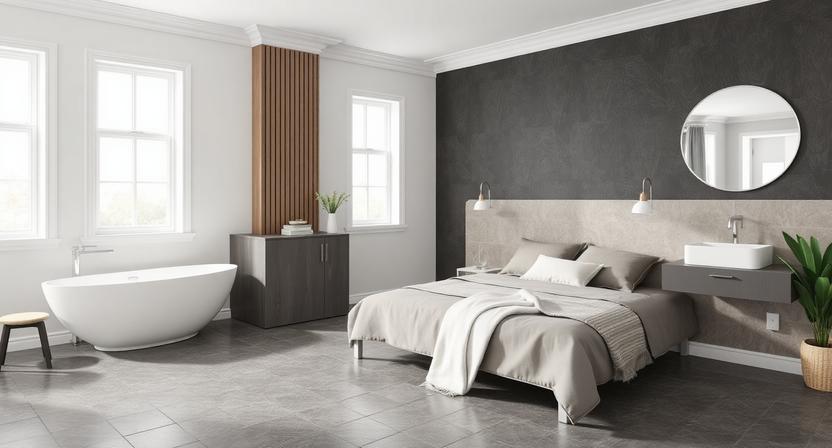
The size and color of tile can dramatically change how a space feels.
- Large tiles make small rooms look bigger
- Light colors open up a space
- Dark tiles add contrast and depth
- Matte finishes are less slippery than glossy ones
How Much Does Tile Installation Cost?
Tile costs depend on both material and labor.
Average costs:
- Tile material: $2 – $15 per sq ft
- Installation: $5 – $15 per sq ft
Natural stone and complex layouts increase the price.
Common Tile Selection Mistakes
Avoid these common issues:
- Choosing tile based on looks only
- Ignoring moisture levels
- Using wall tile on floors
- Not planning for maintenance
These mistakes can lead to costly repairs later.
When to Hire a Professional
While some small tile projects can be DIY, larger installations require precision and experience.
You should consider hiring a professional if:
- The project involves floors or large areas
- You need waterproofing (bathroom, shower)
- The layout is complex
While some small tile projects can be DIY, larger installations require precision and experience.
You should consider hiring a professional if:
- The project involves floors or large areas
- You need waterproofing (bathroom, shower)
- The layout is complex
If you’re unsure whether to handle the project yourself, read our guide on how to hire a professional contractor to understand what to expect and how to avoid costly mistakes.
Frequently Asked Questions
What type of tile is best for a bathroom floor?
Porcelain tile is usually the best choice for bathroom floors because it is water-resistant, durable, and less porous than ceramic tile. Textured finishes also help prevent slipping.
Is porcelain tile better than ceramic?
Porcelain tile is denser, more durable, and more water-resistant than ceramic tile, making it better for floors and high-moisture areas. Ceramic tile is more budget-friendly and works well for walls.
What size tile makes a room look bigger?
Larger tiles with fewer grout lines can make a small room appear bigger. Light-colored tiles also help create a more open and spacious feel.
How much tile do I need for my project?
You should measure the square footage of your space and add 10–15% extra to account for cuts, waste, and future repairs.
Can I install tile myself or should I hire a contractor?
Small projects can be DIY-friendly, but larger or more complex installations are best handled by professionals to ensure proper alignment, waterproofing, and durability.
How long does tile installation take?
Most tile projects take 1–3 days depending on the size of the area, preparation required, and complexity of the layout.
Need Help Choosing or Installing Tile?
Choosing the right tile is only part of the process — proper installation is just as important.
If you’re planning a renovation, working with an experienced tile contractor can save you time, money, and stress.
👉 Visit our Residential Remodeling Pro homepage to learn more about our services or request a free estimate.
Last Updated on April 15, 2026