
When working with drywall, one step you should never skip is taping drywall seams and corners. Whether you’re preparing a wall for paint, tile, or any type of finish, proper taping ensures durability, strength, and a smooth final appearance.
Many homeowners and even inexperienced contractors ask: do you need to tape drywall seams before tiling? The short answer is – absolutely yes. Skipping this step can lead to cracks, visible joints, and costly repairs.
If you’re planning a renovation, it’s important to follow proven techniques and best practices. You can explore more expert tips on Residential Remodeling Pro.
What Is Drywall Taping?
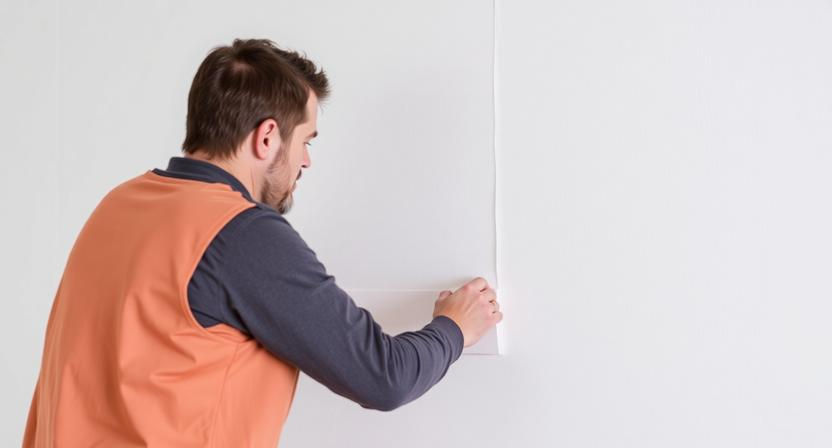
Drywall taping seams is the process of applying drywall joint tape over the gaps between drywall panels and inside corners. This tape is embedded in joint compound (also called mud) to reinforce the joints.
The goal is simple:
- strengthen weak points between panels
- create a seamless surface
- prevent future damage
Without proper drywall seam tape, the structure of your wall remains vulnerable.
Why Taping Drywall Seams and Corners Is Important
1. Prevents Cracks and Joint Failure
Drywall naturally expands and contracts due to temperature and humidity changes. Taping drywall corners and seams helps distribute stress across the surface, preventing cracks from forming.
2. Improves Structural Strength
Seams are the weakest part of any drywall installation. Using drywall joint tape reinforces these areas, making the entire wall more durable.
3. Creates a Smooth, Professional Finish
Tiling is a significant investment, and poorly done installations can cost even more to fix. Spending an extra $100–$200 on taping now can prevent damage that may cost thousands to repair later. It’s a small price to pay for long-term security and durability.
4. Essential Before Tiling
If you’re planning a tile installation, surface preparation is critical. For example, if you want to learn how to tile a bathroom floor step by step, proper drywall preparation – including taping – is one of the key prerequisites.
If you’re wondering “do you need to tape drywall seams before tiling?” – yes. Tile is rigid, and any movement or weakness underneath can cause cracks in grout or tiles.
What Happens If You Don’t Tape Drywall Seams?
Skipping drywall seam tape can cause several serious issues:
- Cracks along seams and corners
- Visible lines under paint or tile
- Weak joints that shift over time
- Moisture intrusion and long-term damage
This becomes especially critical in wet areas like showers. Before choosing materials, it’s helpful to compare a concrete shower pan vs Kerdi shower system and understand how proper wall preparation affects long-term durability.
In short, not taping drywall is a shortcut that almost always leads to expensive repairs.
Types of Drywall Tape (Mesh vs Paper)
Choosing the right tape matters. The most common options are:
Paper Tape
- Strong and durable
- Best for taping drywall corners in standard drywall applications
- Helps reduce the risk of cracking over time when properly applied
Mesh Tape
- Easier to apply
- Self-adhesive
- Better for flat seams, though generally not as strong as paper tape in high-stress areas
When comparing mesh vs paper drywall tape, paper tape is generally the better choice for corners and long-term durability in standard drywall applications.
When working with standard drywall in living areas, both paper tape and mesh tape can be used effectively for reinforcing seams and corners. However, tile installation areas – especially in bathrooms – follow a different set of requirements.
In wet or high-moisture environments, such as showers or tub surrounds, traditional drywall is typically replaced with specialized tile backer boards like cement board, GoBoard Foam Board, Schluter Kerdi Board System, or DensShield Tile Backer. These materials are specifically designed to resist moisture and provide a stable base for tile.
In these applications, paper tape should not be used, as it typically does not meet building code requirements for wet areas and can lead to long-term failures. Instead, contractors must use alkali-resistant mesh tape or approved waterproofing membranes to properly reinforce seams and joints. This is standard practice for professional tile installations and helps prevent moisture-related failures behind the tile.
How to Tape Drywall Seams and Corners (Step-by-Step)
If you want professional results, follow this basic process:
- Apply a thin, even layer of joint compound over the seam
- Place drywall seam tape over the compound
- Press and smooth the tape to remove air bubbles
- Apply 2–3 thin additional layers of compound over the tape, allowing each layer to dry
- Let it dry and sand between coats
This method ensures strong, smooth drywall taping seams that will last for years.
Common Drywall Taping Mistakes
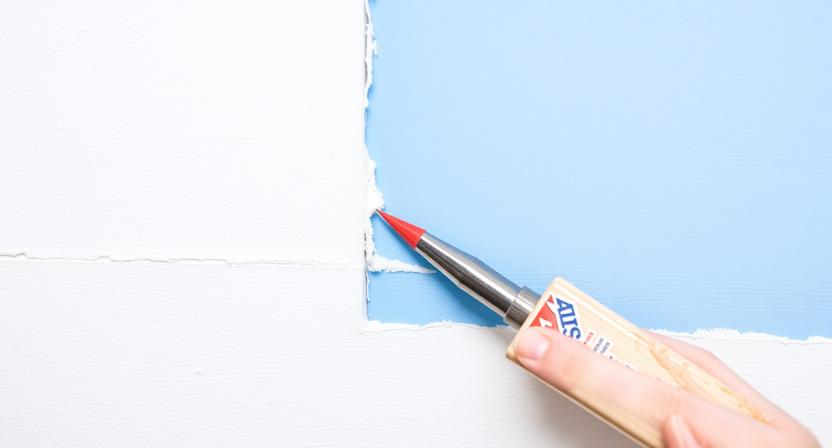
Even small mistakes can ruin the result. Avoid these:
- Using too much or too little compound
- Not properly embedding the tape
- Choosing the wrong tape type
- Skipping drying time between coats
Proper taping drywall corners requires patience and attention to detail.
Do You Need to Tape Drywall Seams Before Tiling?
Yes – always.
Tiling over untaped seams is risky because:
- movement in drywall can crack tiles
- seams can separate over time
- moisture can penetrate weak joints
If you want your tile installation to last, drywall taping seams is a non-negotiable step.
FAQ
Do you need to tape drywall seams?
Yes. Without drywall joint tape, seams will crack and become visible over time.
Can you tile over untaped drywall seams?
Technically yes, but it’s not recommended. Skipping drywall seam tape increases the risk of tile and grout failure.
Is mesh tape good for drywall corners?
Not really. Mesh is better for flat seams, while paper tape is stronger for taping drywall corners.
How long does drywall tape last?
When installed correctly, drywall joint tape can last decades without issues.
Conclusion
Properly taping drywall seams and corners is one of the most important steps in any drywall project. It strengthens the structure, prevents cracks, and ensures a flawless finish – whether you’re painting or tiling.
If you’re planning a renovation, combining proper drywall preparation with correct tiling techniques and waterproofing methods will give you the best long-term results.
Last Updated on March 18, 2026